
Comparing cassette, hollow fiber and ceramic TFF formats is not only a technical choice. It is a process decision that affects how the filtration step behaves, how clearly it fits the downstream task and how well that route can be maintained during scale-up.
In many projects, the membrane format gets chosen by familiarity. A stronger route usually appears when the format is linked directly to the process objective, the stream behaviour and the way the filtration step is expected to evolve from development into larger-scale execution.
Why membrane format should follow process fit
Cassette, hollow fiber and ceramic formats can all make sense in TFF, but not for the same reasons. The strongest choice usually comes from what the process needs to achieve, not from habit or from a result that only worked once at one scale.
How the three main membrane routes are usually evaluated
Often chosen when the process fits a broad flat-sheet membrane route
Cassette configurations are often selected when teams want a familiar and well-established route for concentration, diafiltration and broader downstream processing. They are usually assessed when flat-sheet membrane logic matches the way the process is expected to run and scale.
- Often evaluated for concentration and diafiltration work
- Usually attractive when teams want a widely used membrane route
- Should still be chosen through process fit, not only familiarity
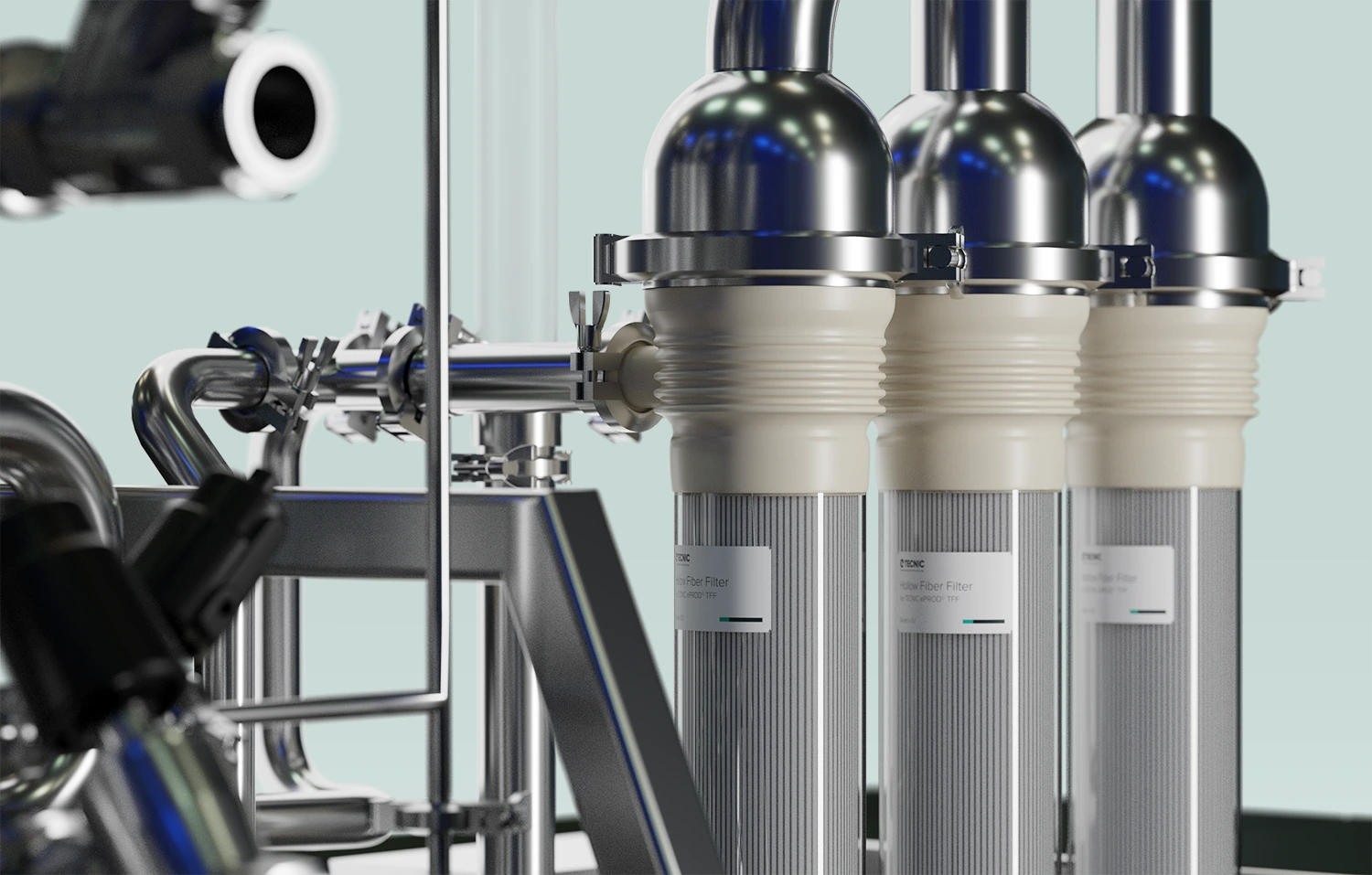
Often useful when geometry and flow path fit the task more clearly
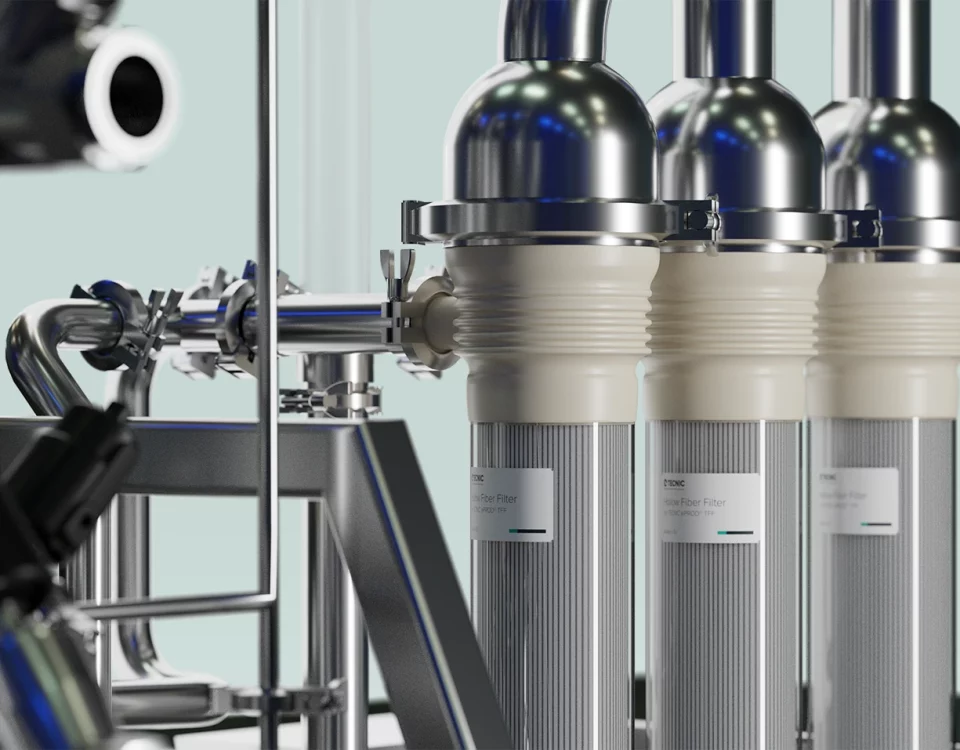
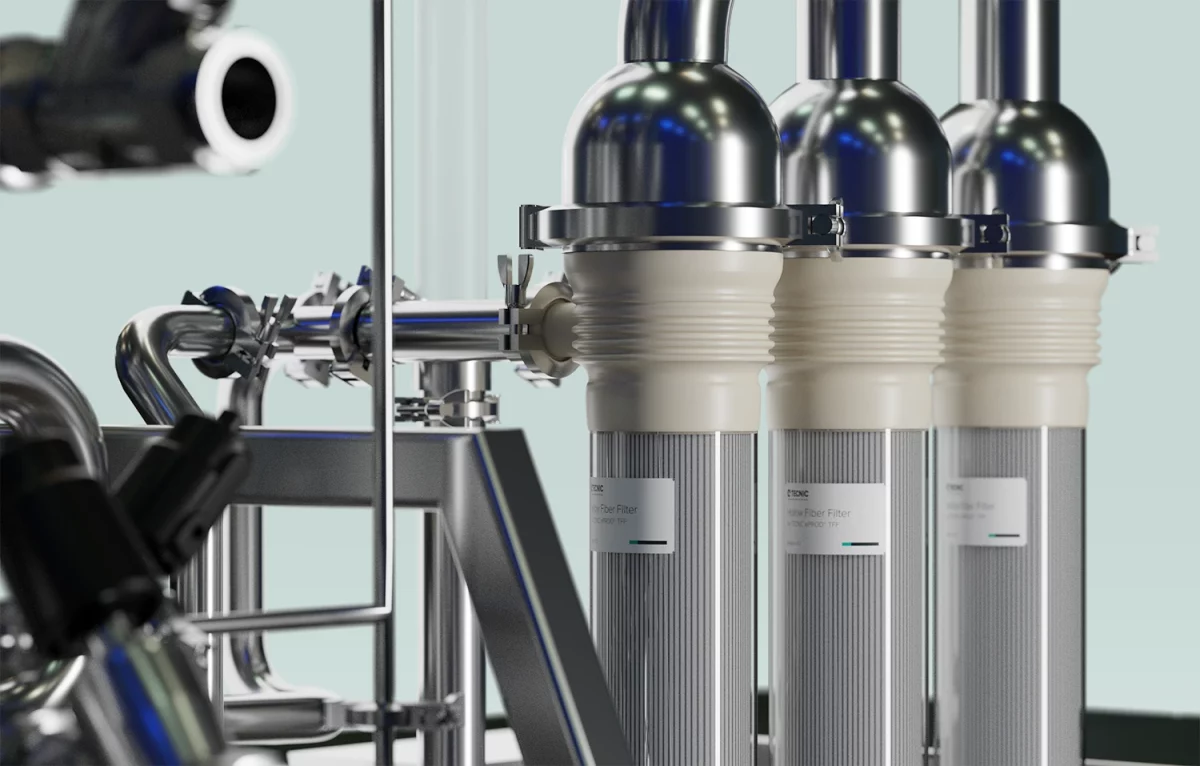
Hollow fiber formats are usually evaluated when that membrane geometry aligns better with the process task and the way the step needs to behave across development and scale-up. The key is whether the format helps the route stay coherent, not whether it looks technically interesting.
- Often assessed when membrane geometry is part of the process logic
- Can fit routes that need a different configuration from flat-sheet options
- Should be chosen because it suits the task, not because it worked once
Can make sense when the process demands point clearly toward a ceramic route
Ceramic membranes are usually considered when the real process requirements justify that route clearly. The decision should come from the downstream task and operating conditions, not from trying to force a ceramic option into a process that does not really need it.
- Best evaluated through actual process demands
- Should be linked directly to operating context and downstream purpose
- Makes more sense when the route clearly benefits from that format
What teams should compare before deciding
Does the process fit a flat-sheet route that can support the downstream objective clearly?
Does membrane geometry and configuration improve the way this step needs to behave?
Are the real process demands strong enough to justify a ceramic route?
Choosing it only because it is familiar.
Choosing it from one test result without checking route continuity.
Choosing it because it sounds stronger, without process need.
The format supports the downstream task clearly and scales without breaking process logic.
The format helps the step behave in the way the process actually needs.
The format is justified by the route, not added as an unnecessary complication.
Questions process teams should answer before locking the membrane route
What exactly does the TFF step need to achieve?
The clearer the downstream task is, the easier it becomes to understand whether cassette, hollow fiber or ceramic is the stronger route.
Does the chosen format fit the process, or is it just familiar?
Many weak choices happen because teams default to a known route instead of checking whether the membrane format truly matches the job.
Will the same logic still make sense at the next scale?
The membrane route should support transfer and continuity, not just one successful result at a smaller stage.
Is the format helping simplify the route or making it harder to manage?
The best format is usually the one that makes the downstream step more coherent, not more complicated.
Relevant TECNIC TFF platforms
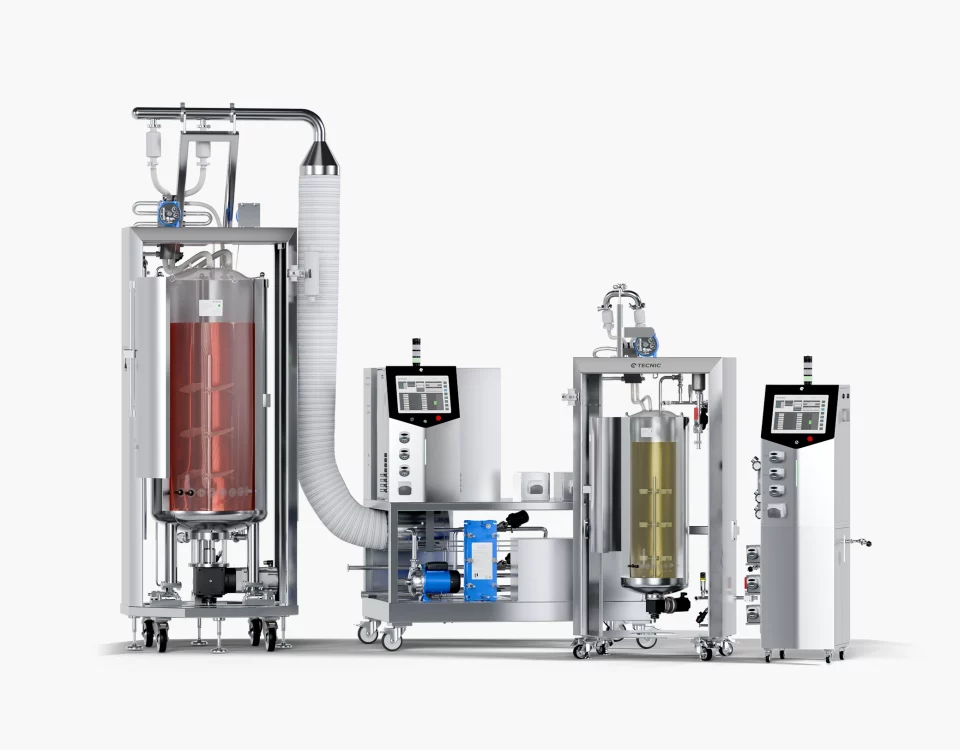
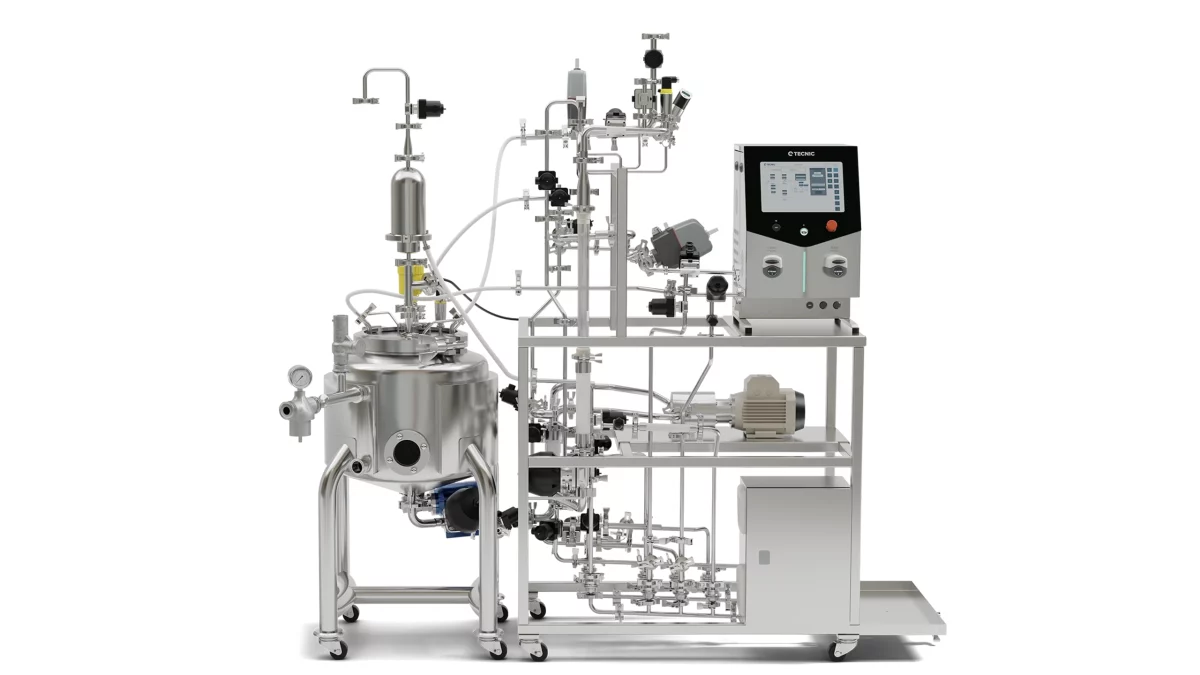
Once the membrane format route is clearer, the next step is matching the process with the right TFF platform across laboratory, pilot or production needs.
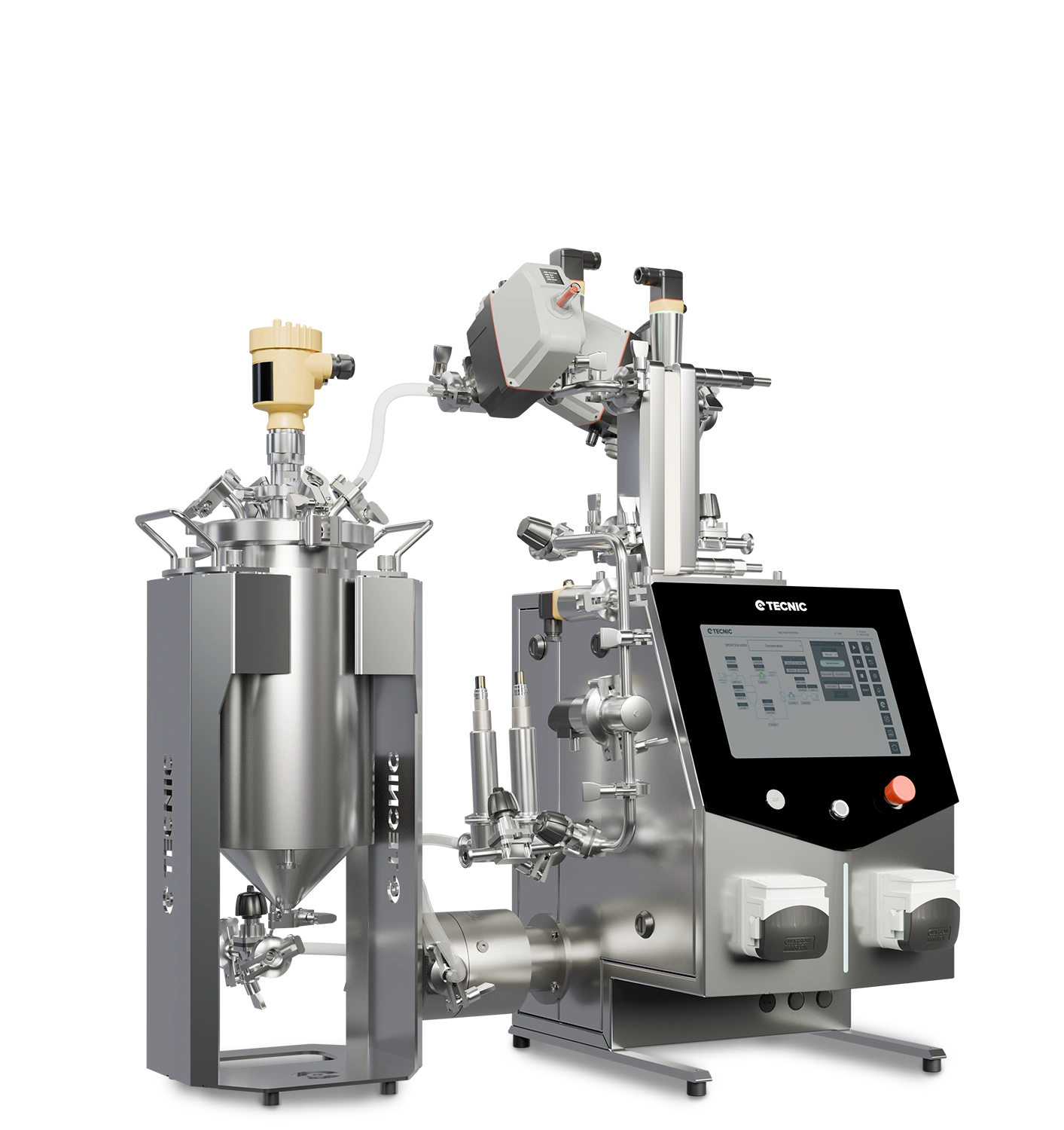
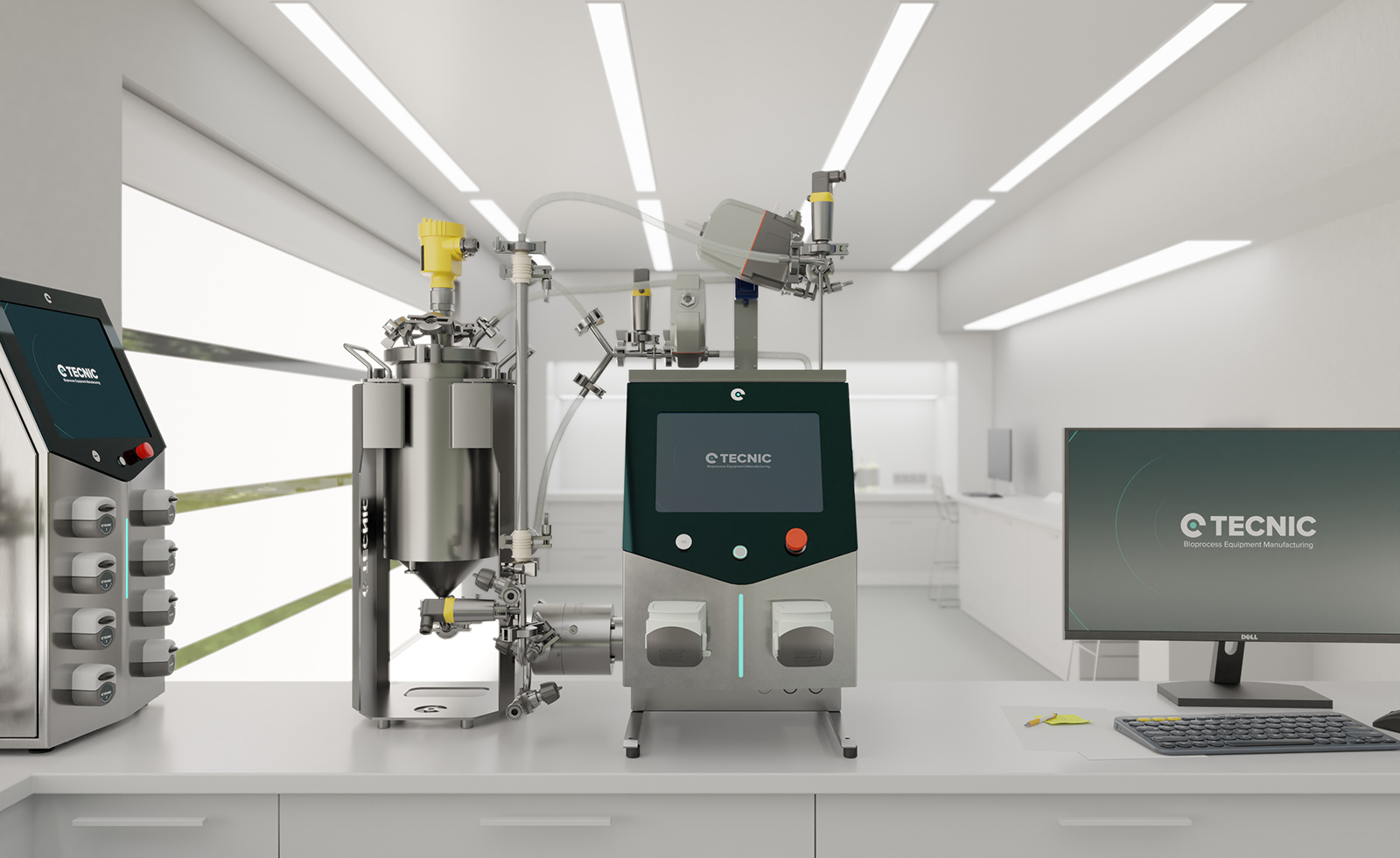
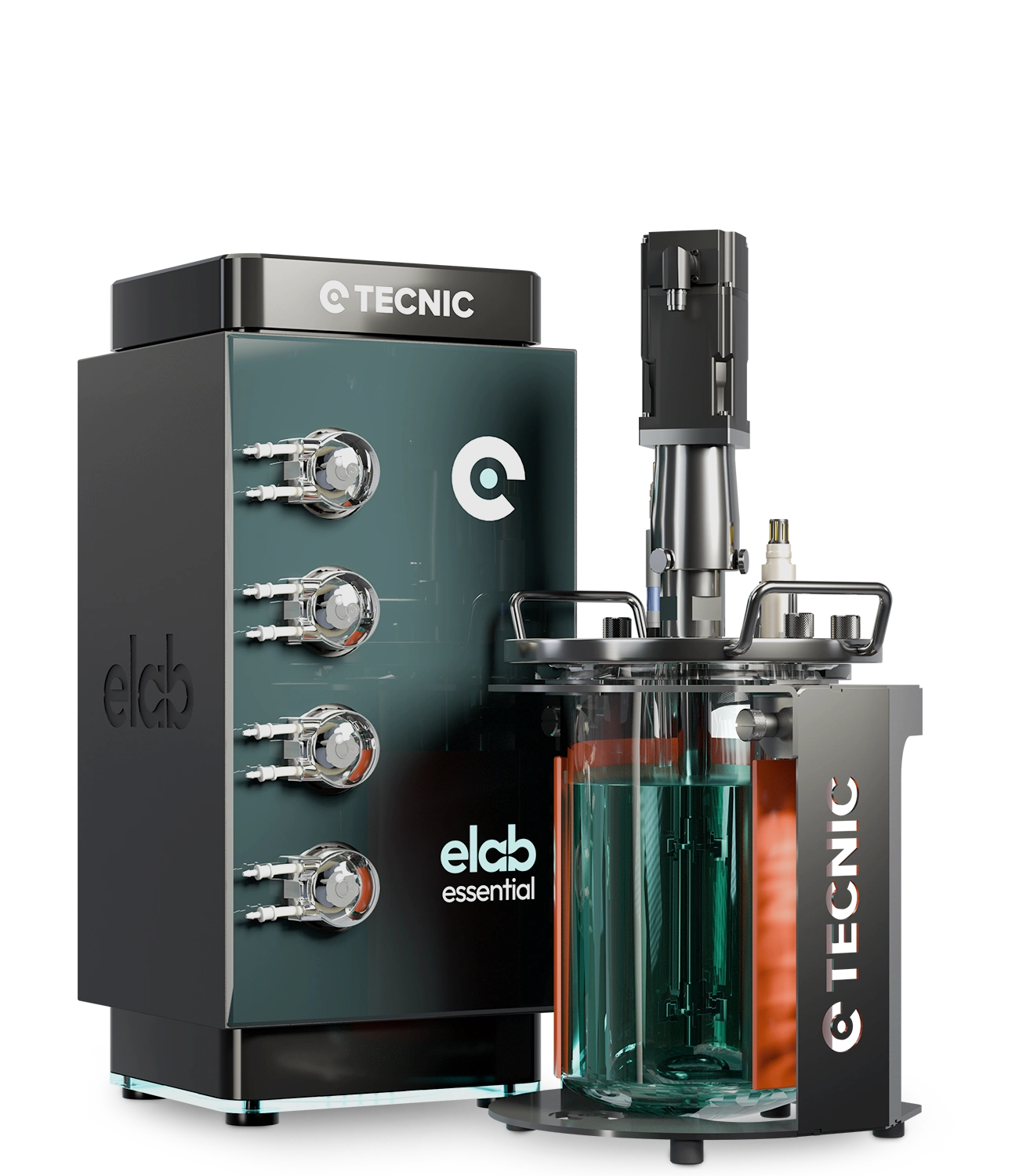
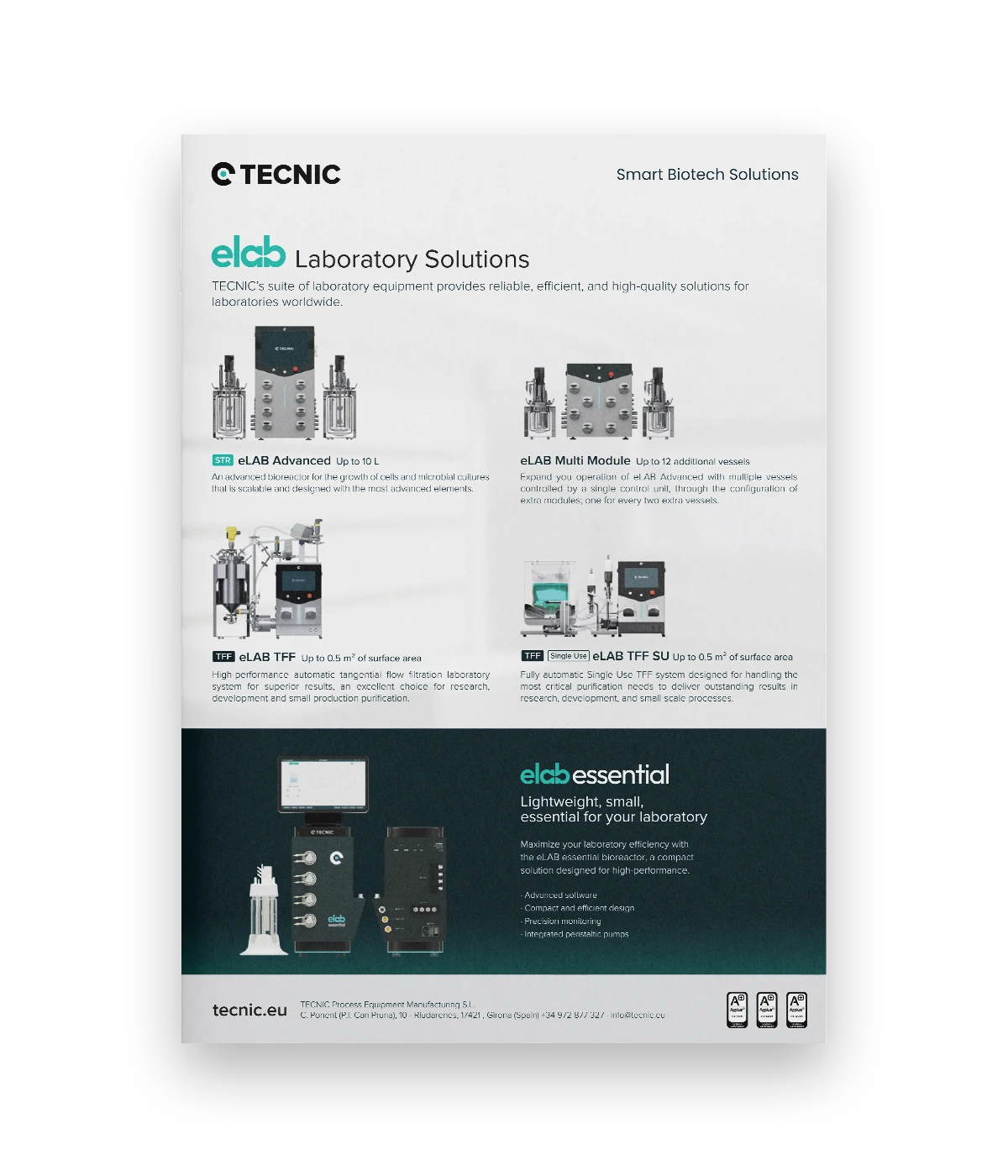
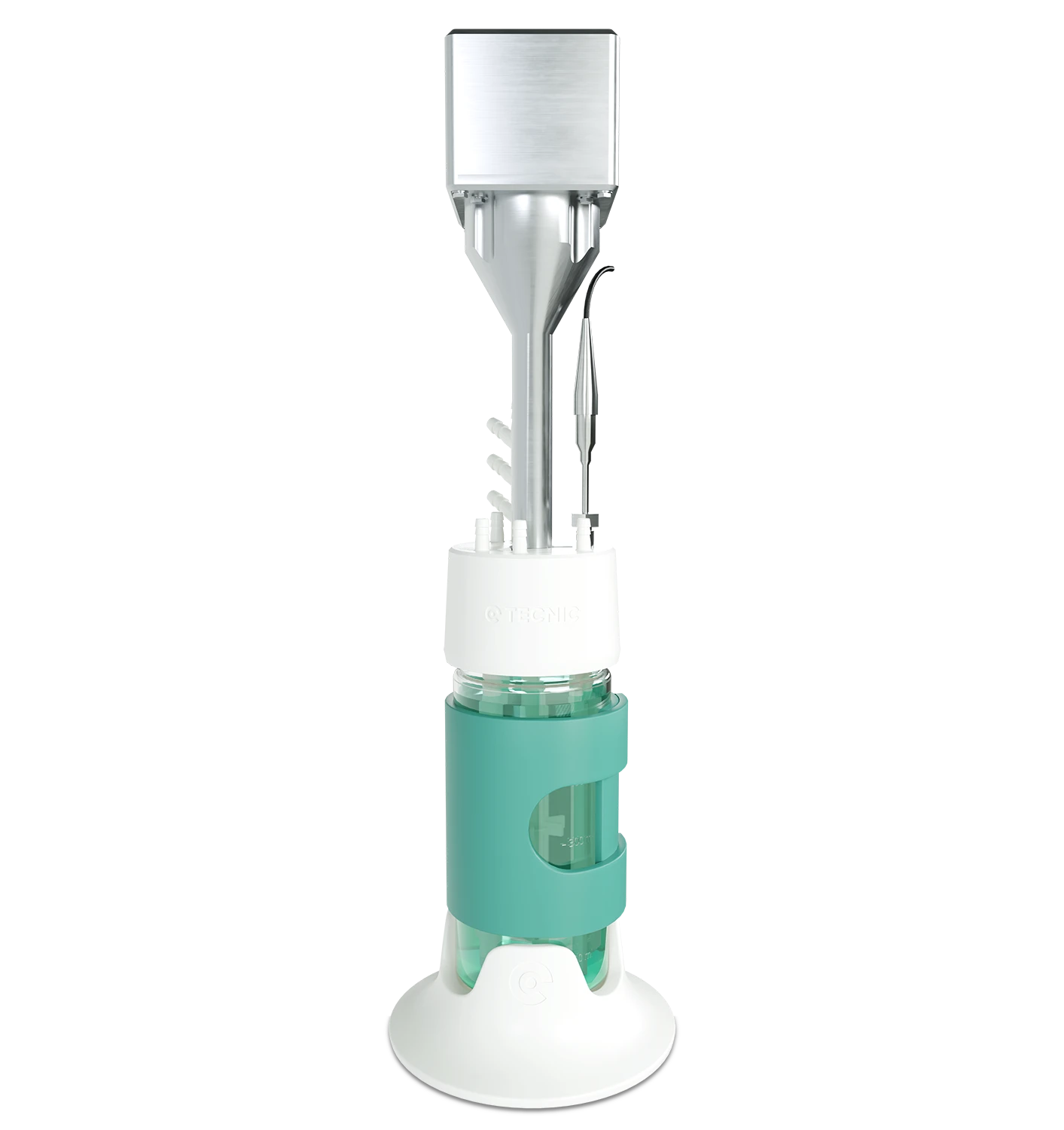
eLAB TFF
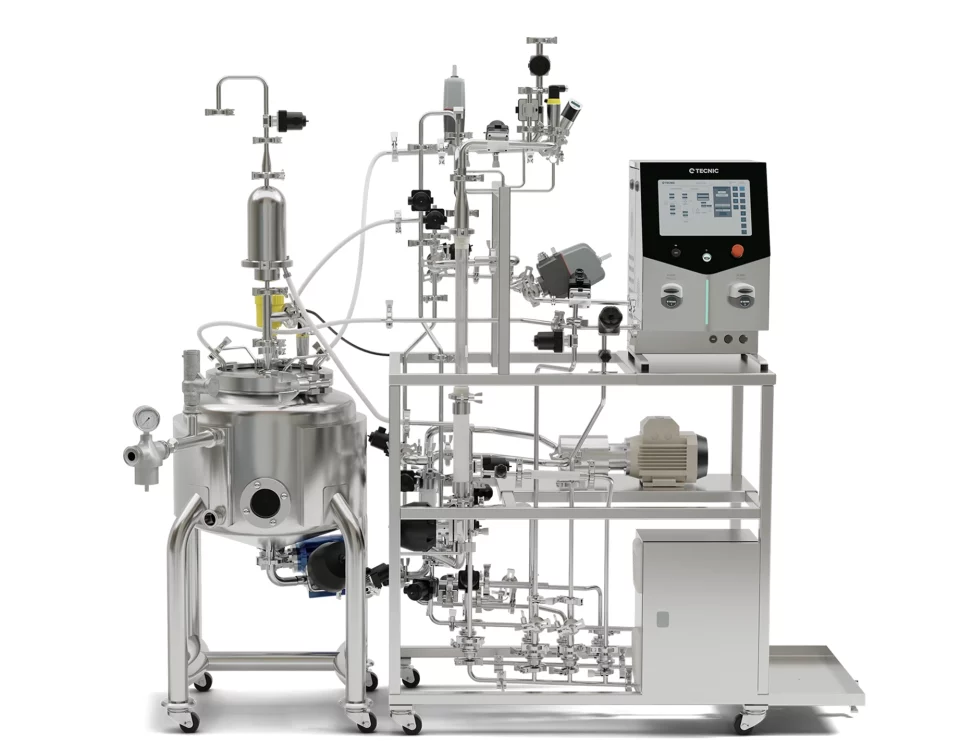
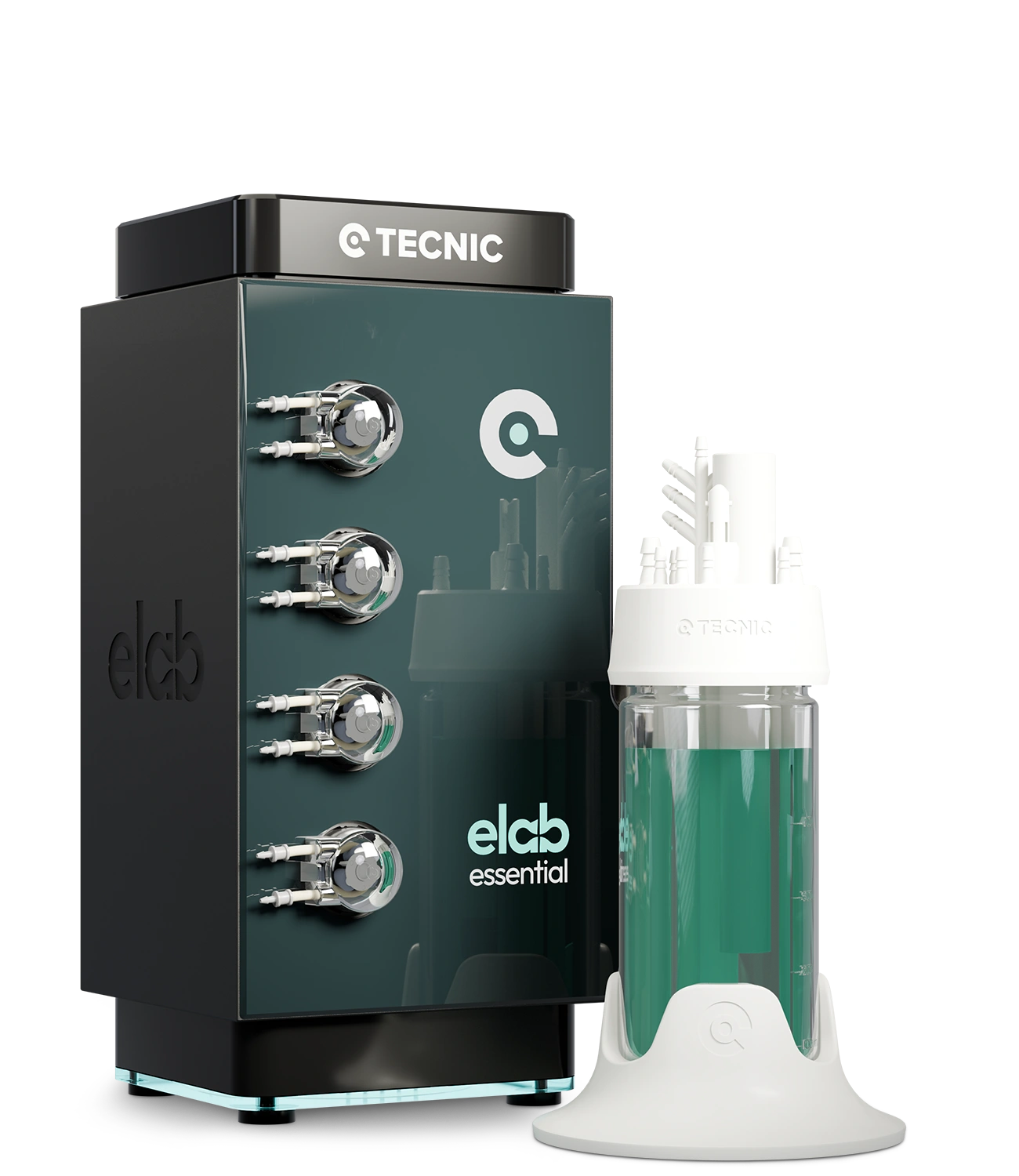
Laboratory multi-use TFF system for controlled development workflows across different membrane routes.
eLab TFF system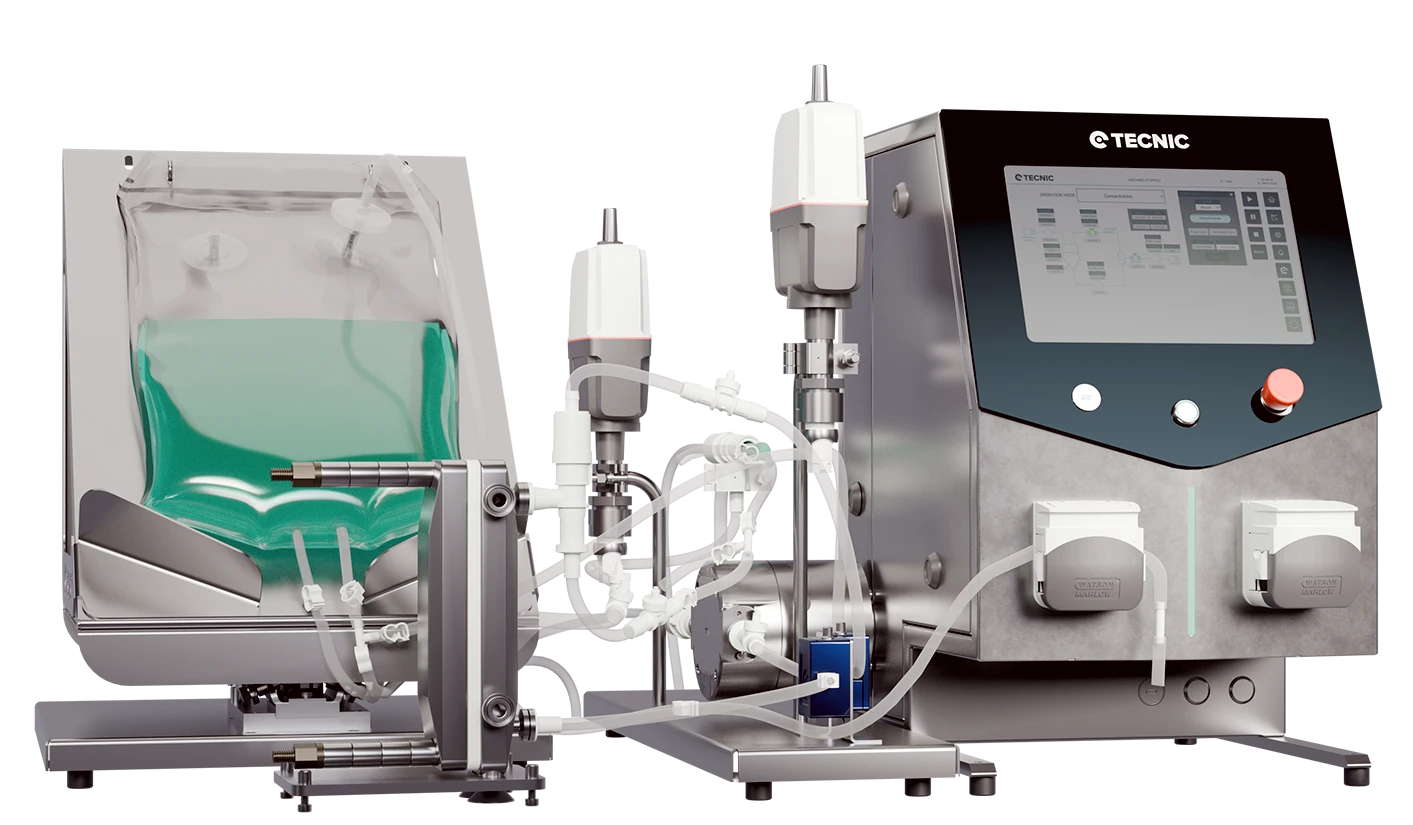
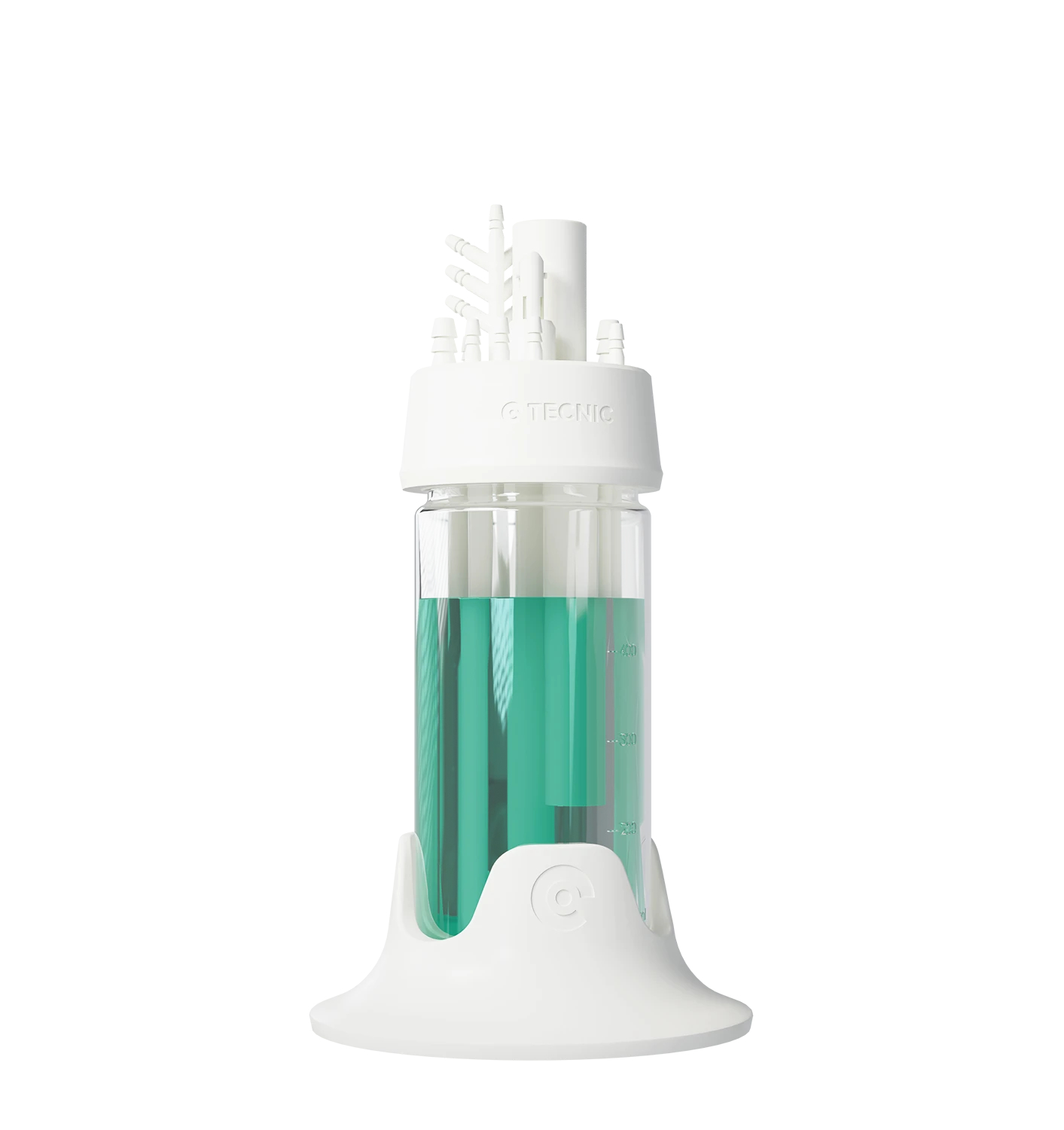
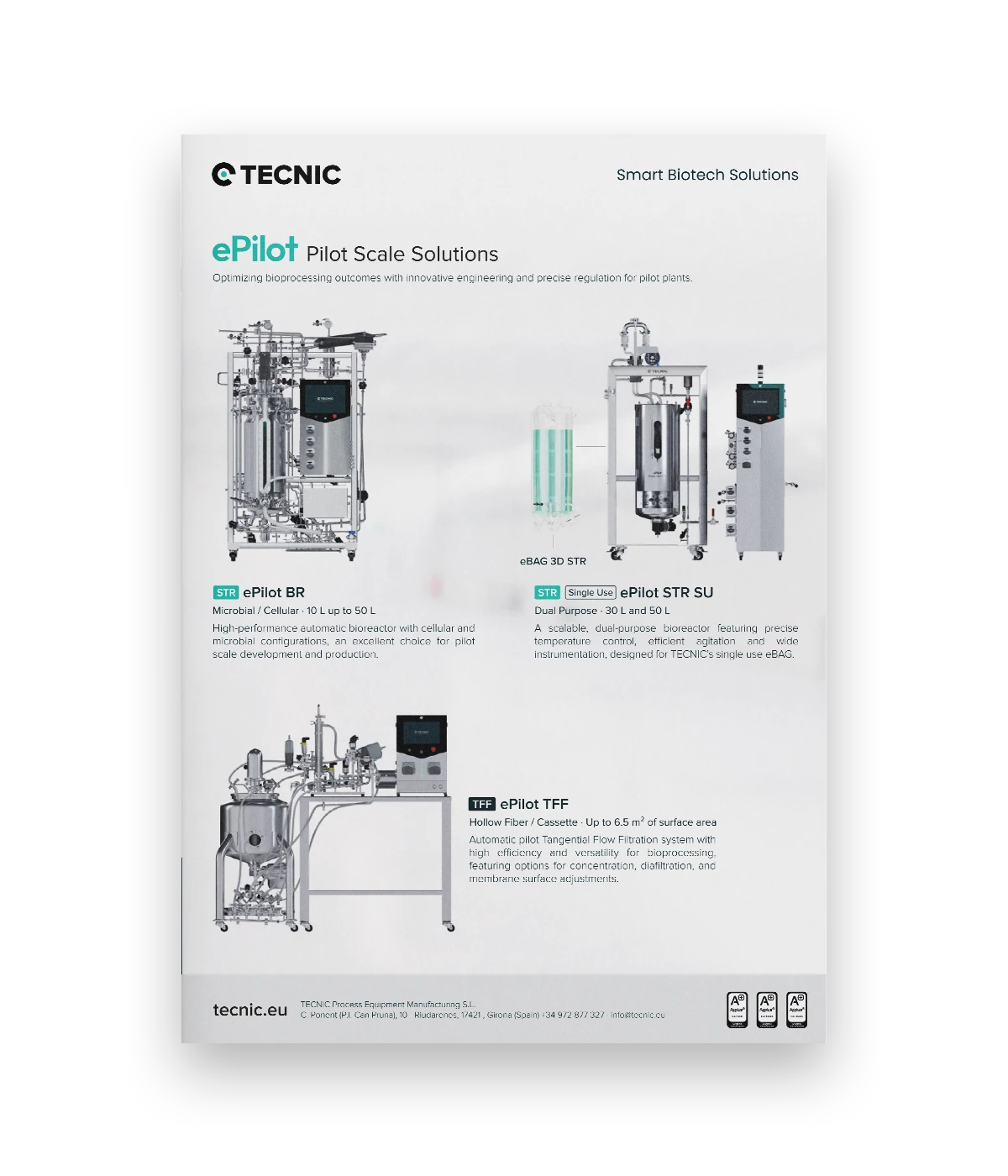
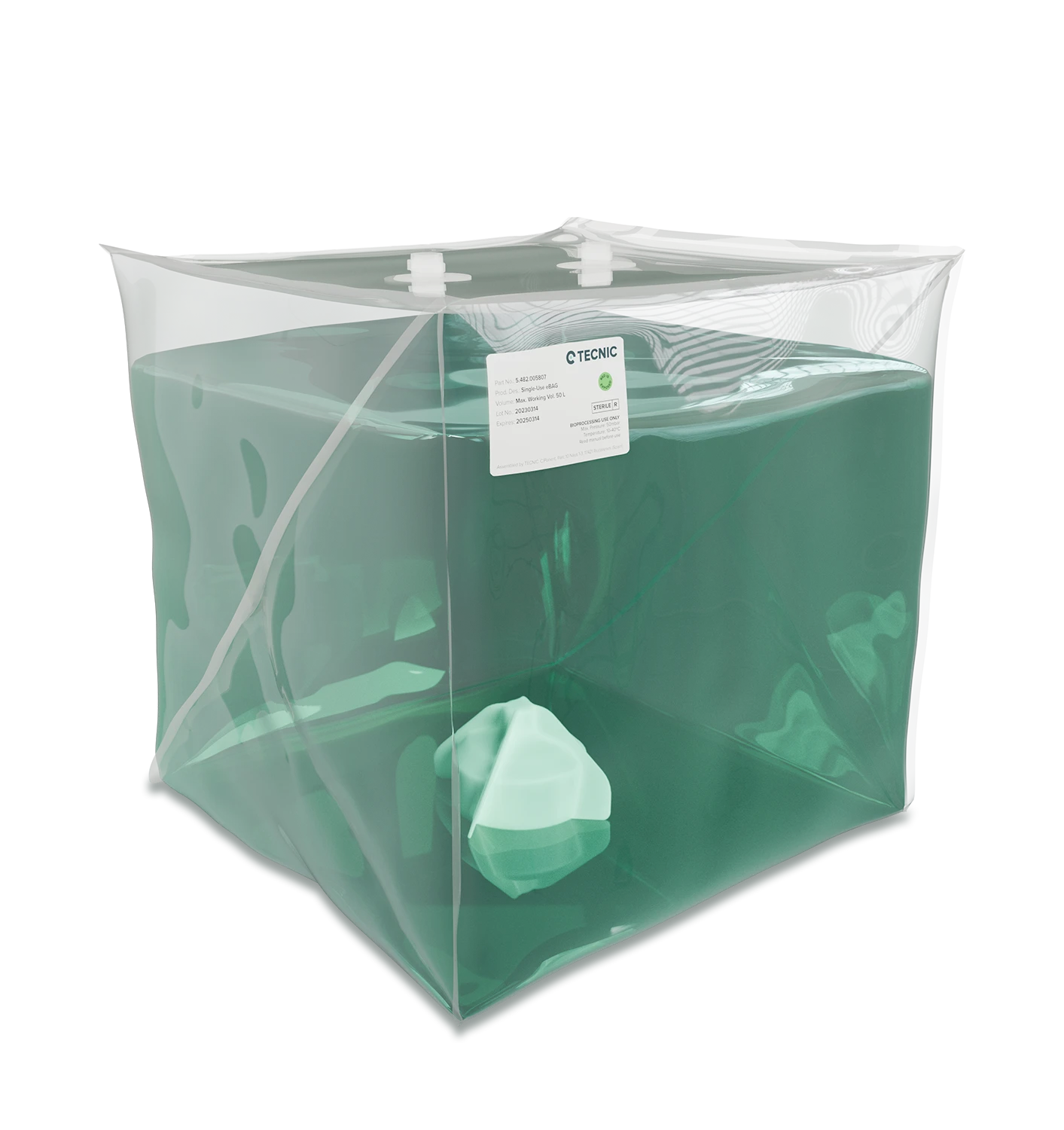
eLAB TFF SU
Single-use laboratory TFF system for flexible early-stage filtration workflows and format evaluation.
eLab TFF SU system
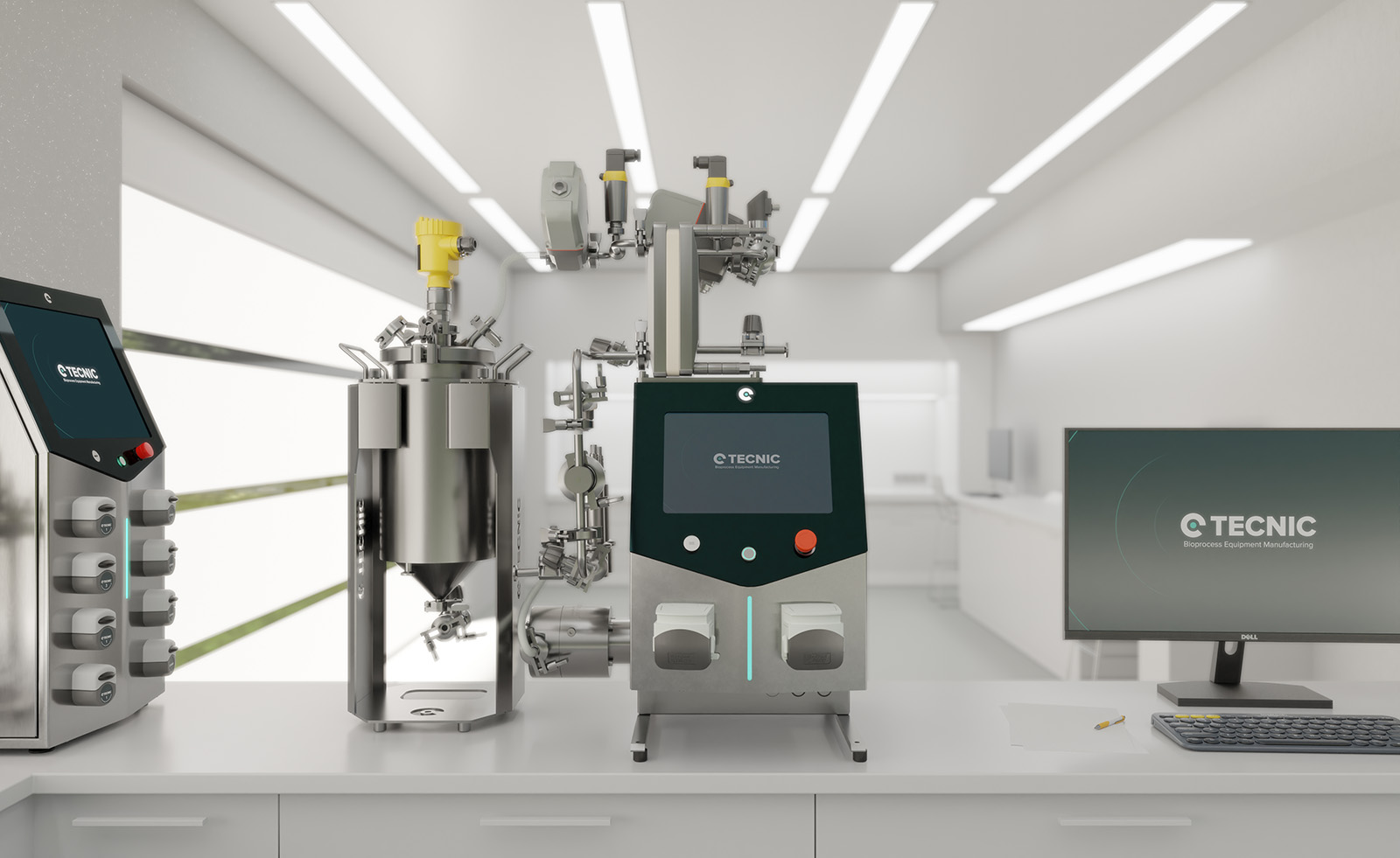
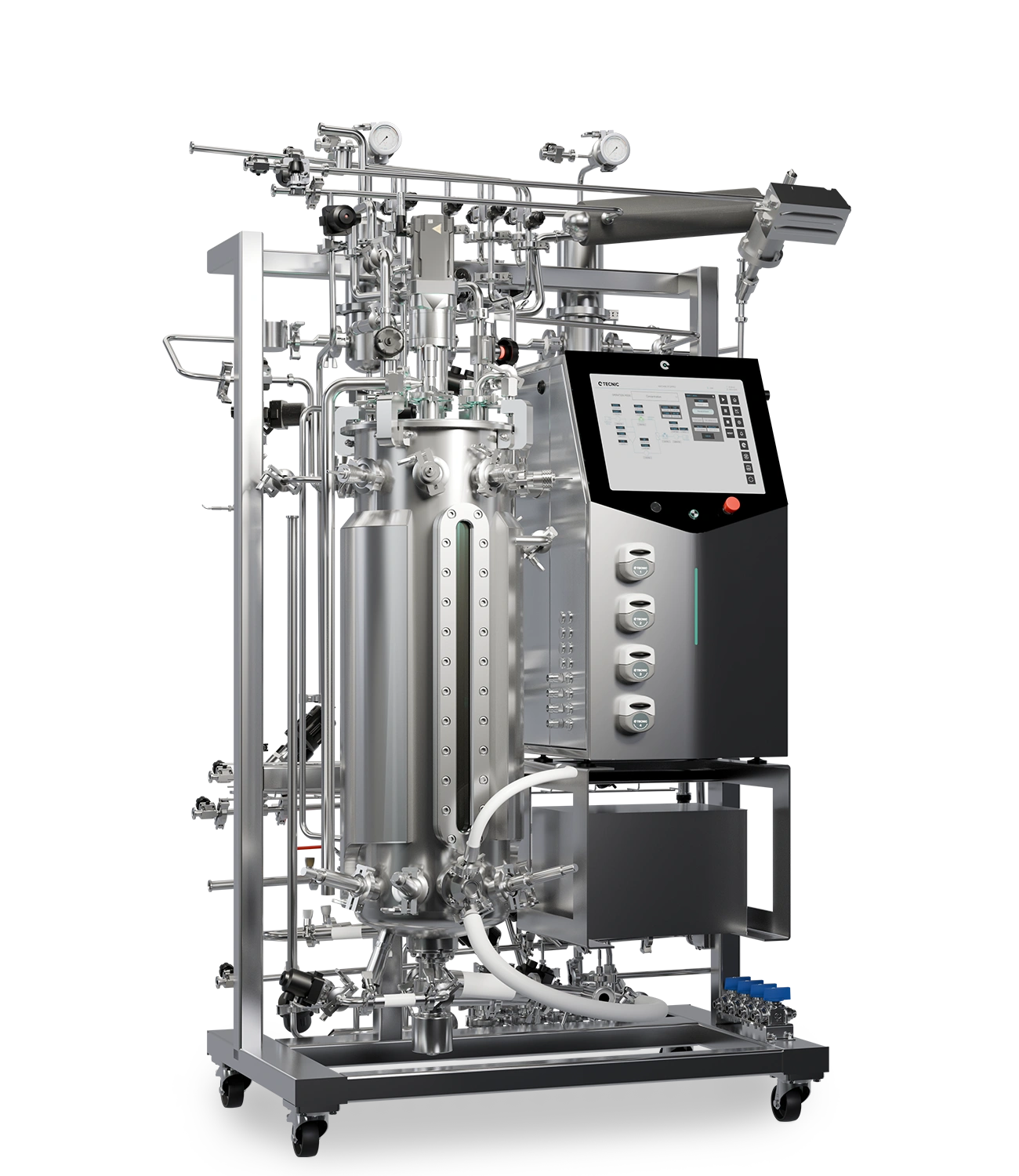
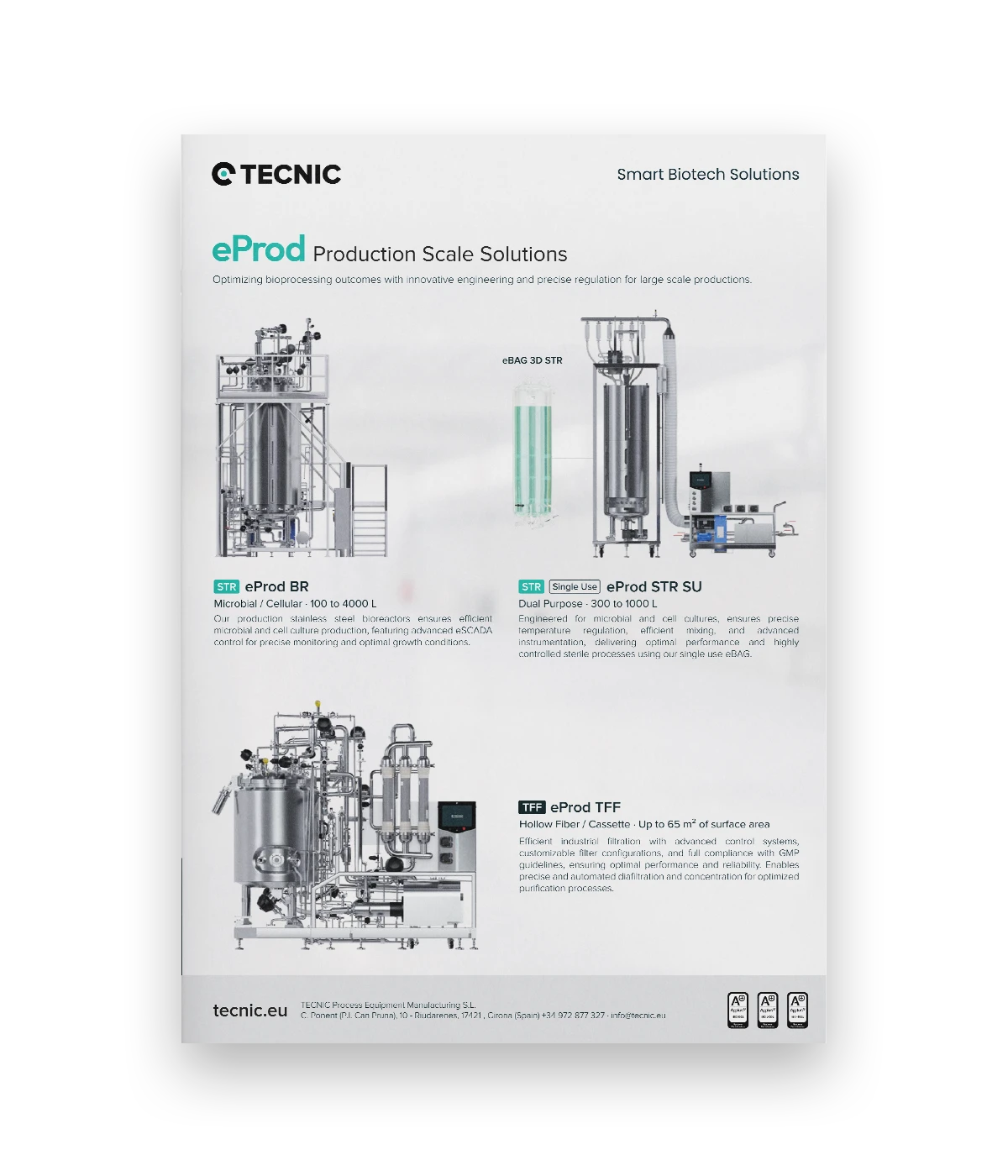
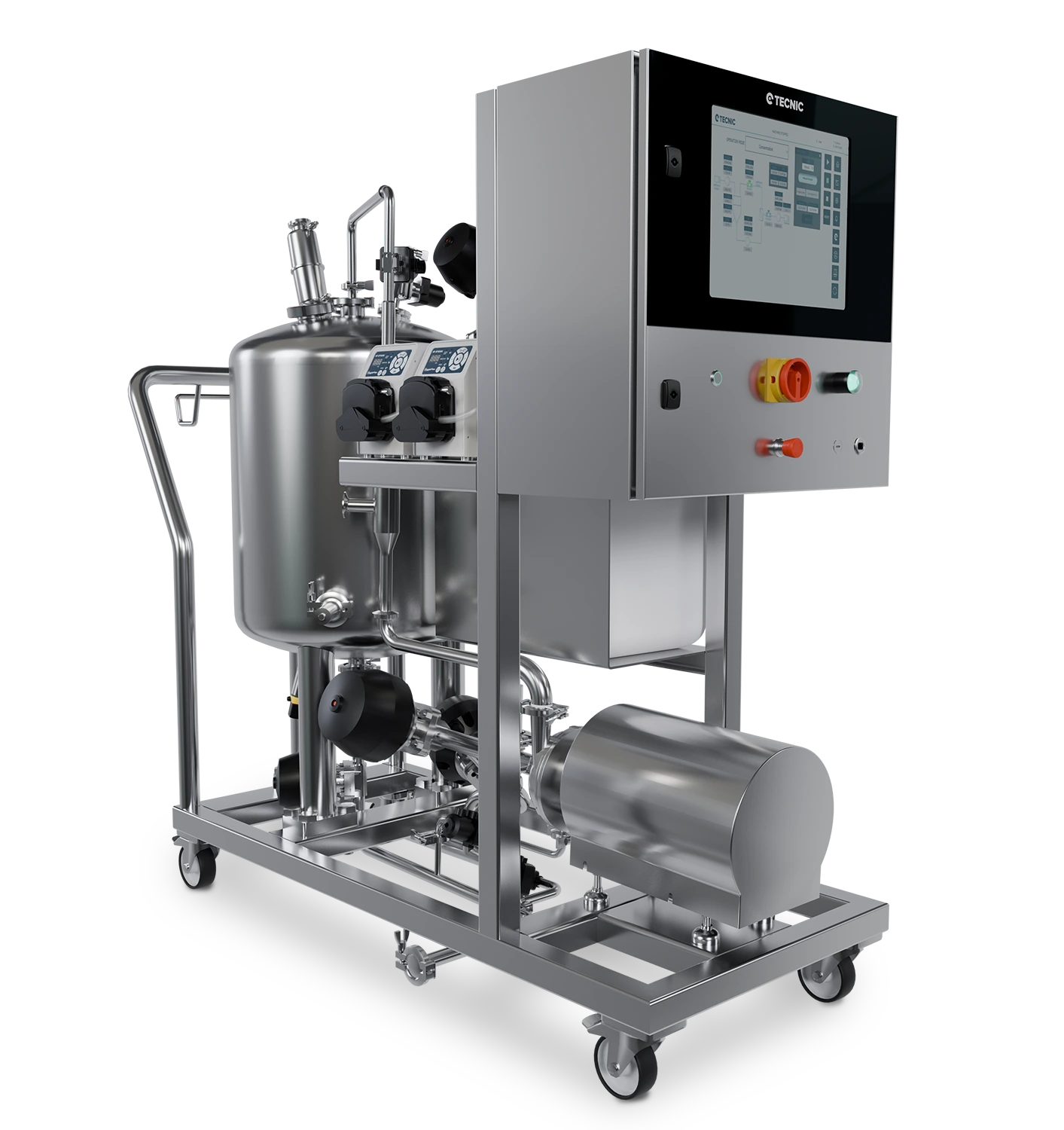
ePILOT TFF
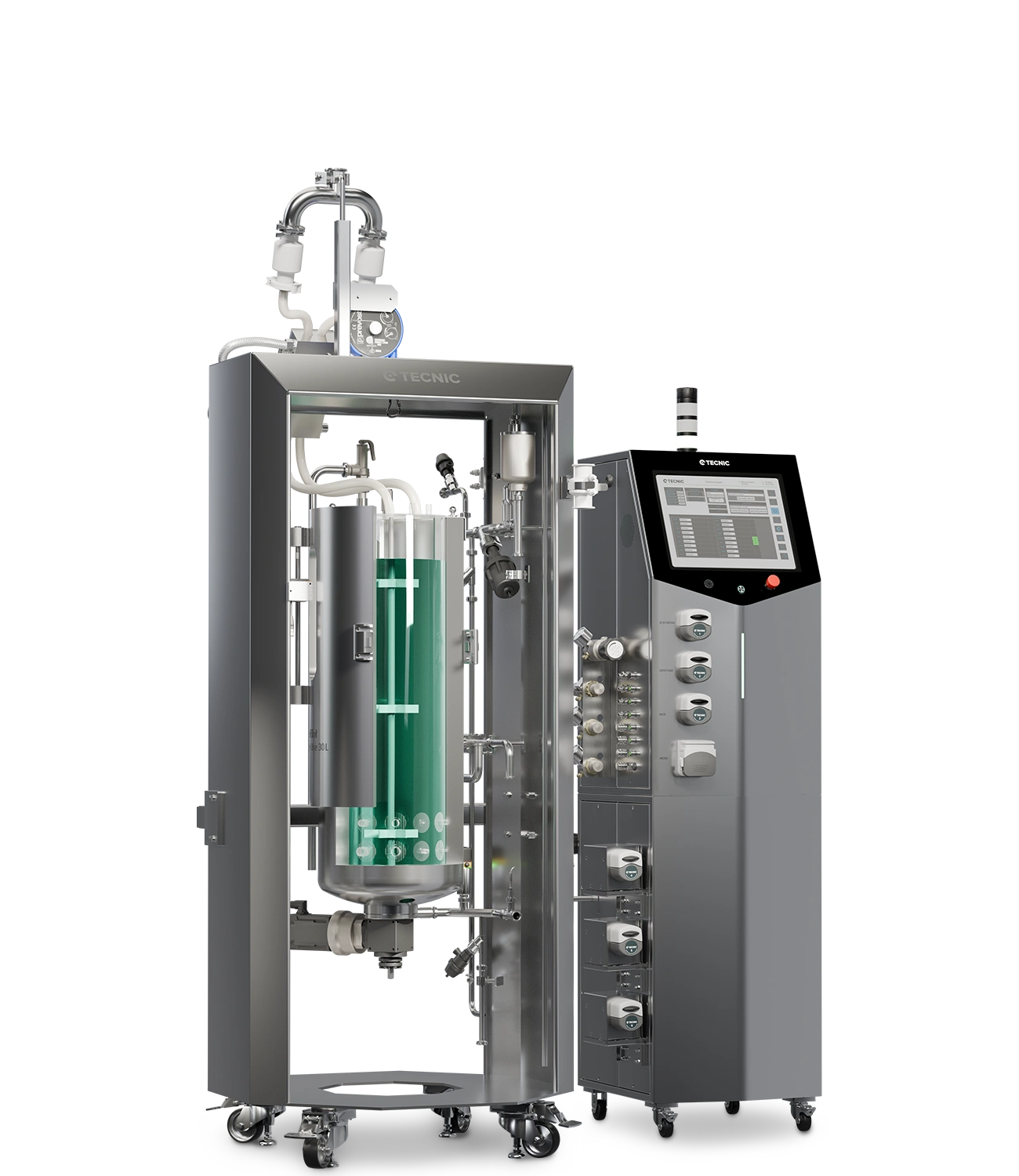
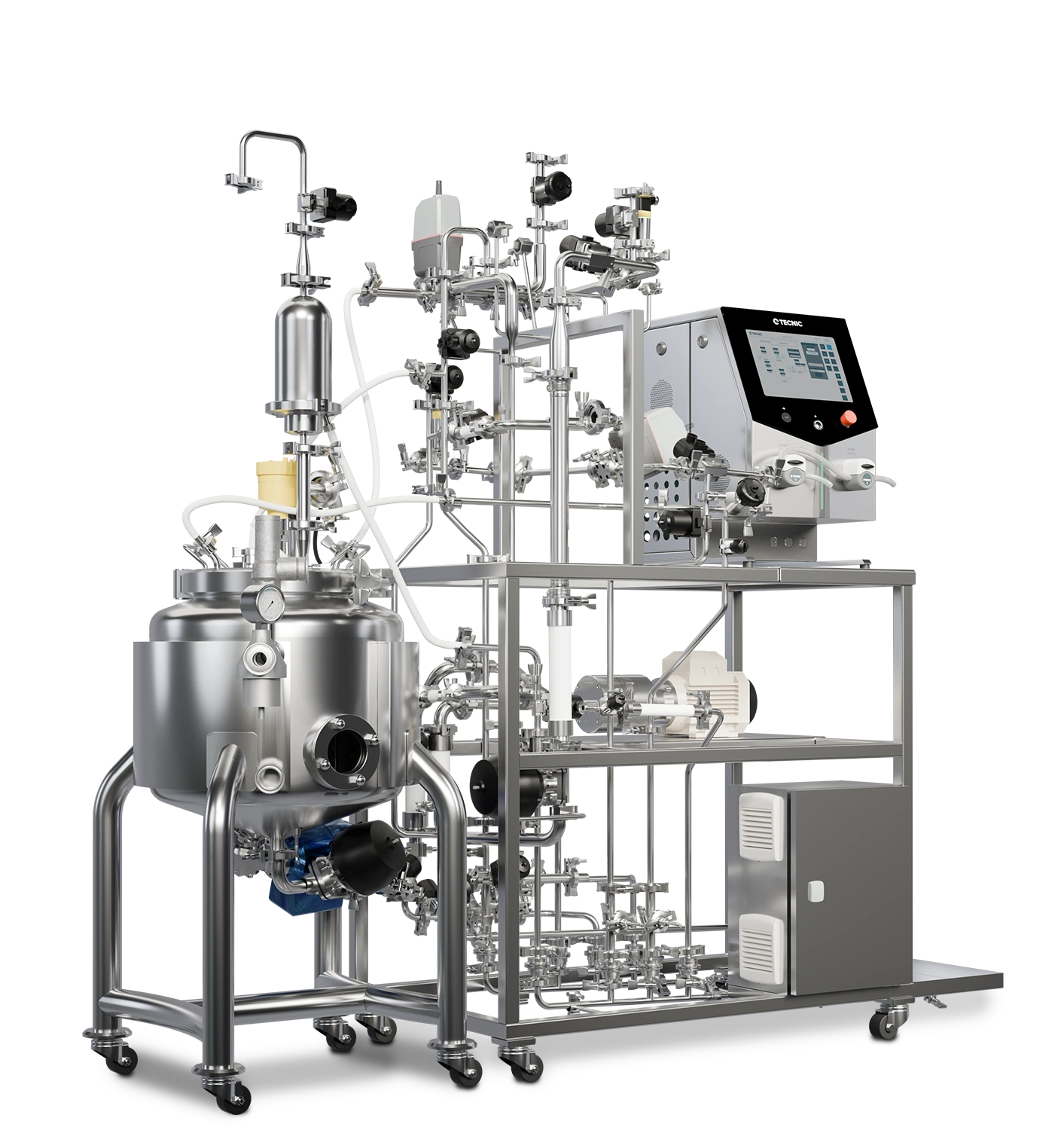
Pilot multi-use TFF system for transfer, scale-up confirmation and broader downstream execution.
ePilot TFF system
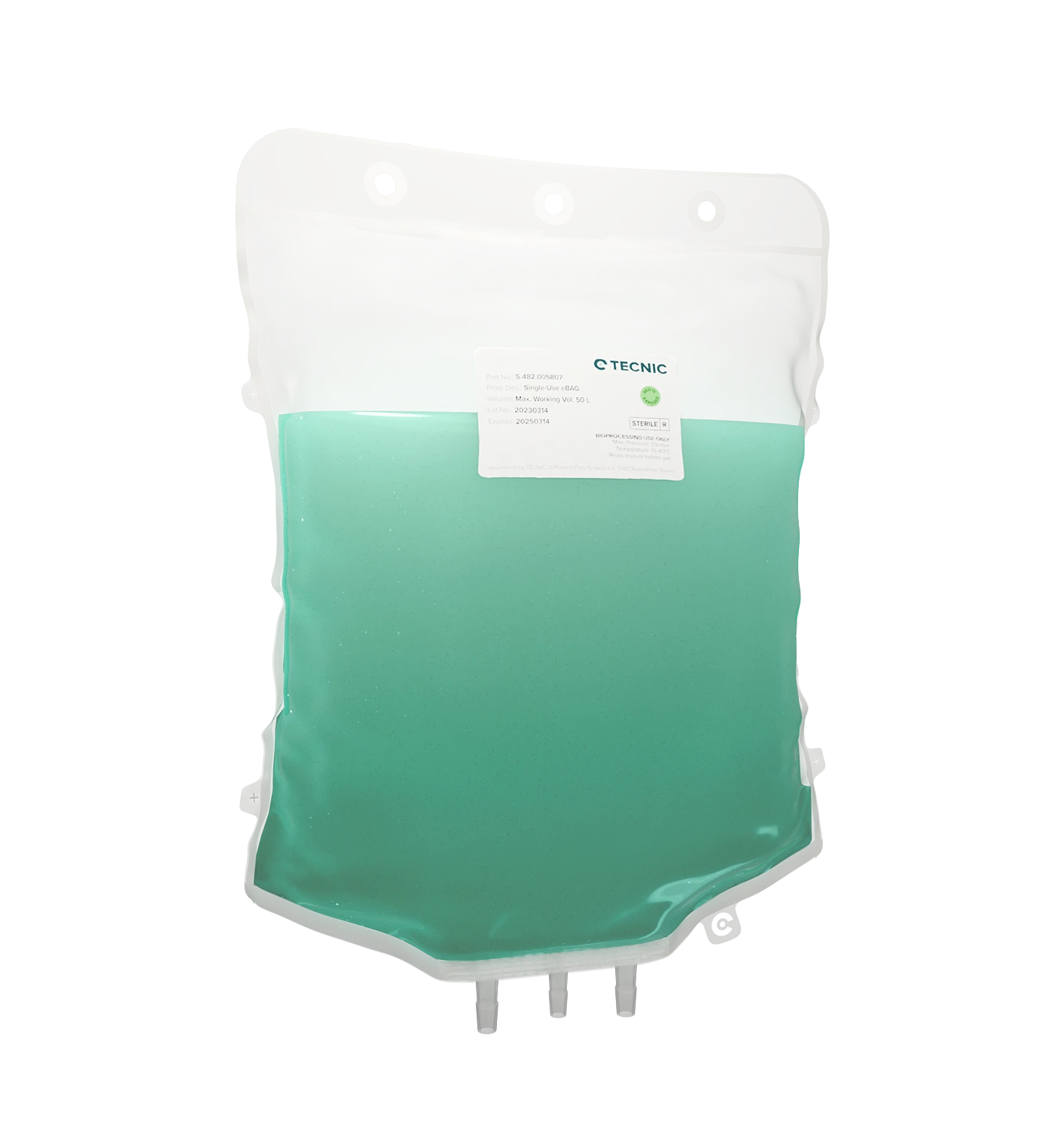
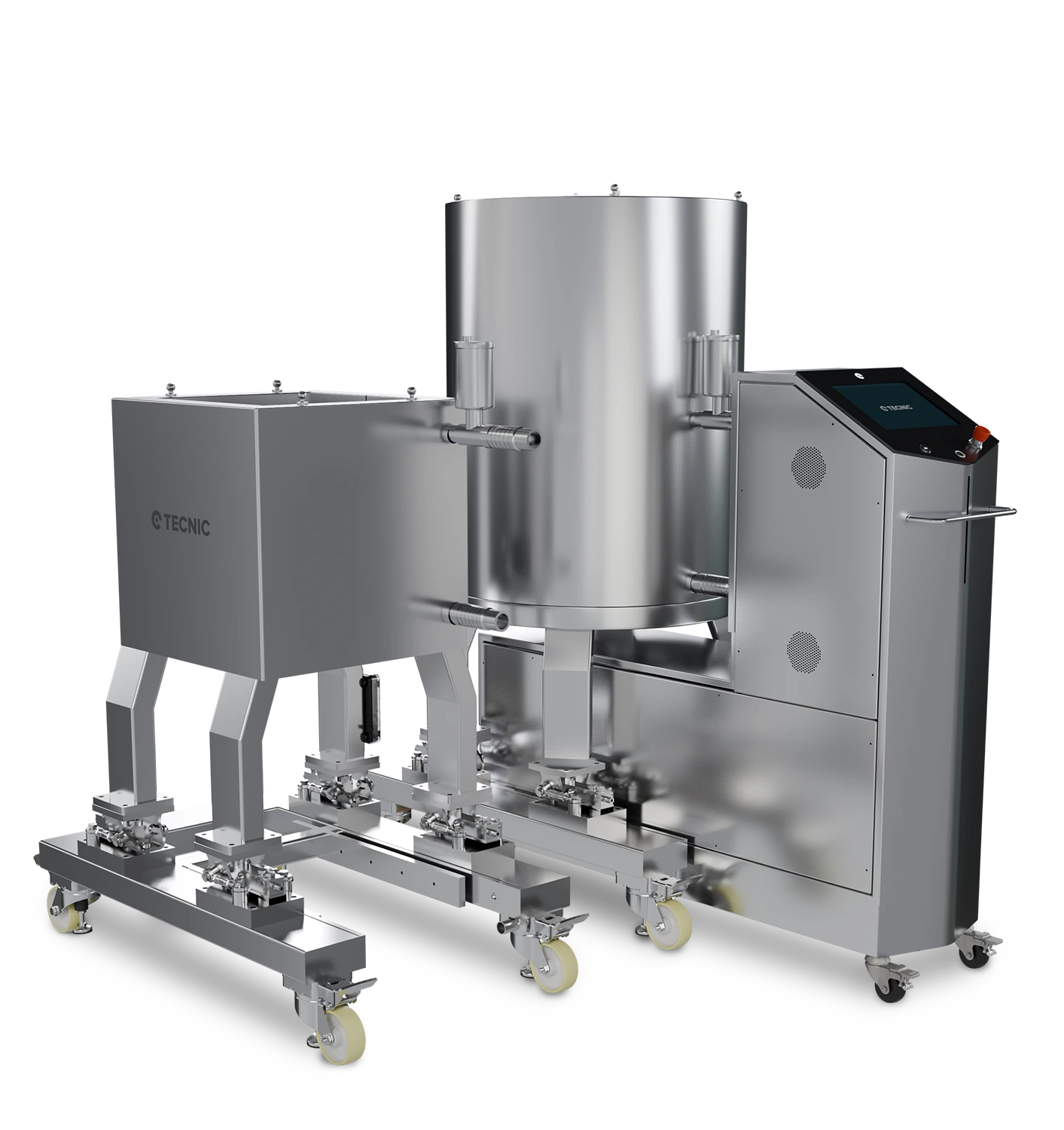
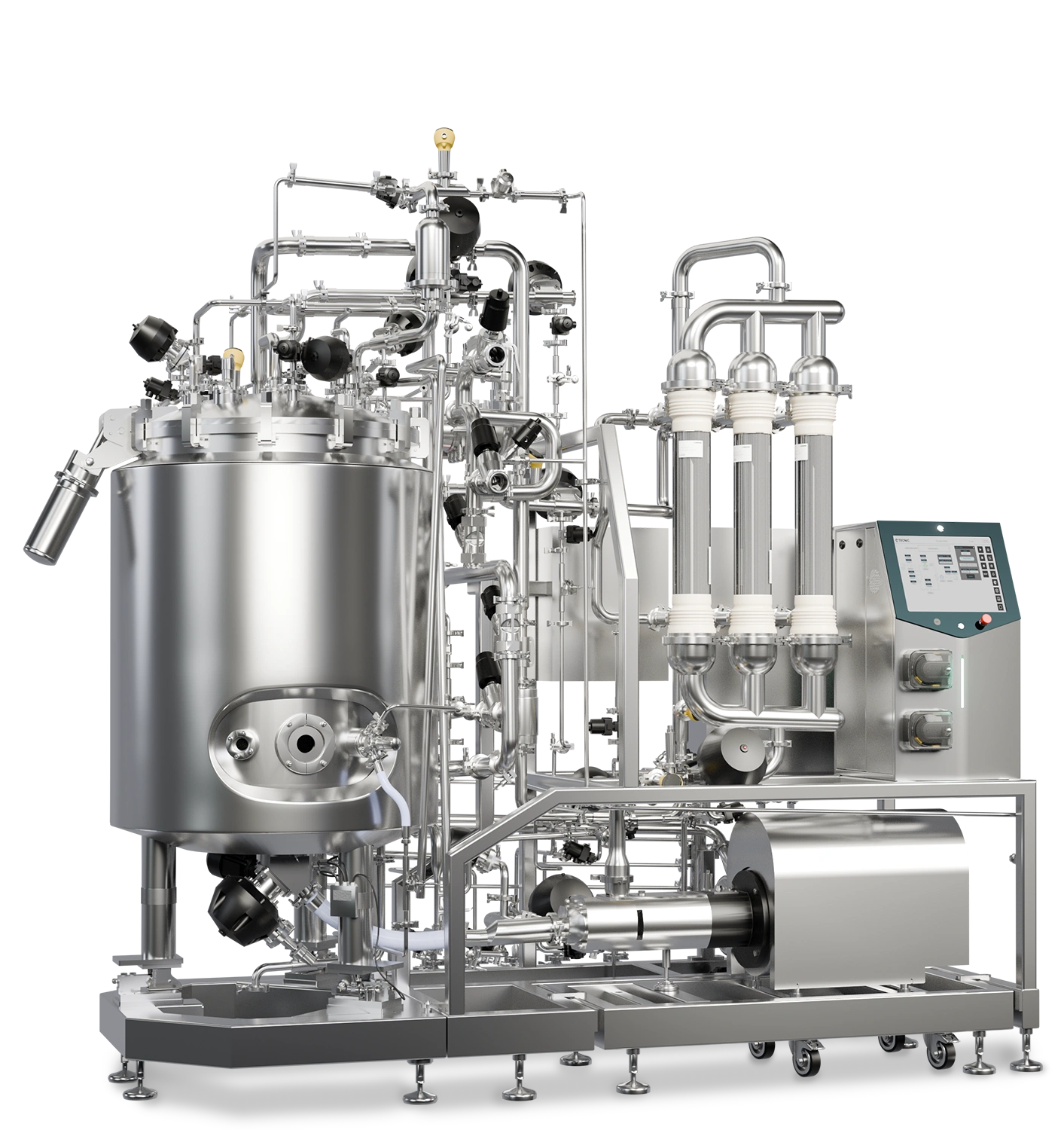
ePROD TFF
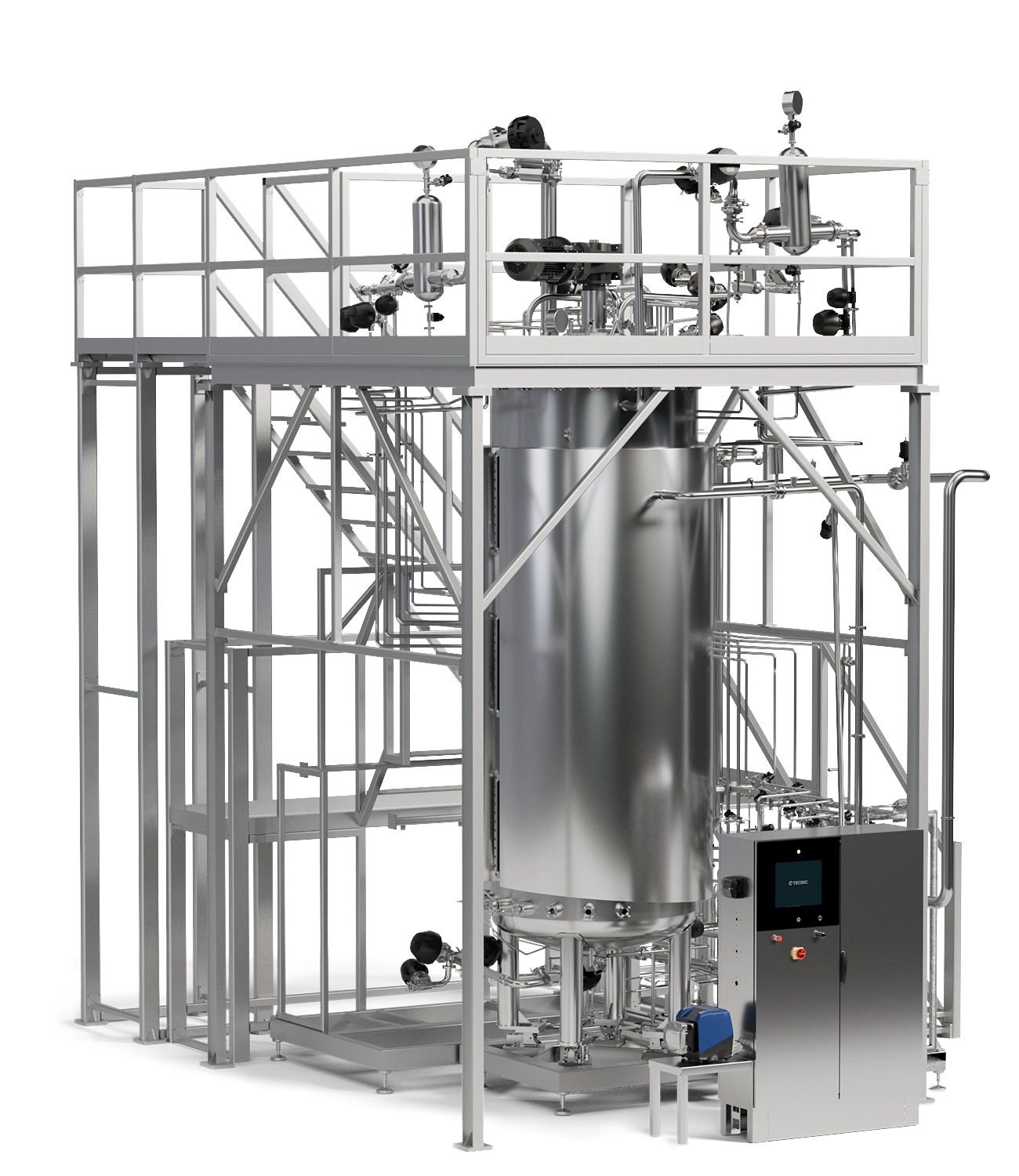
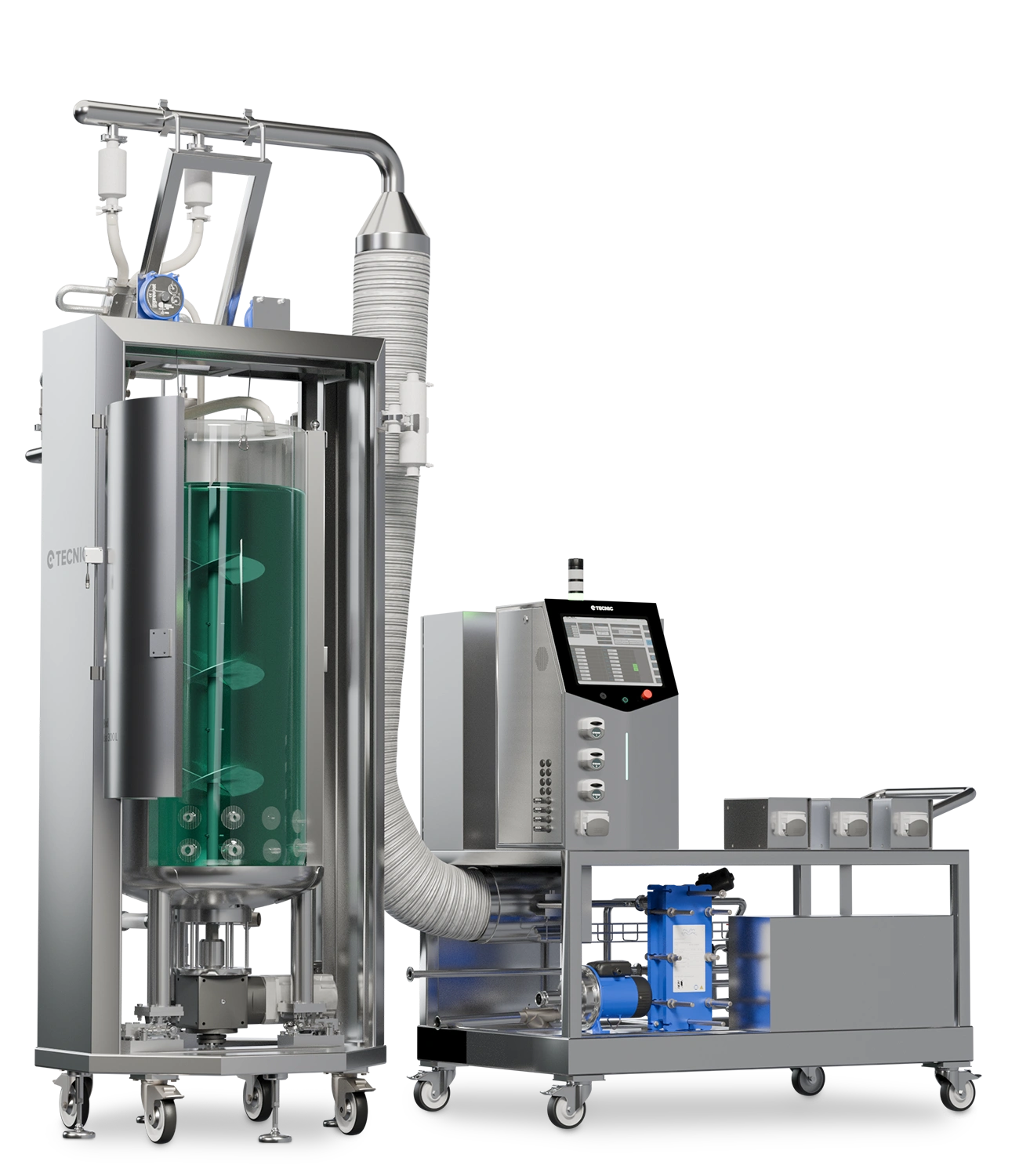
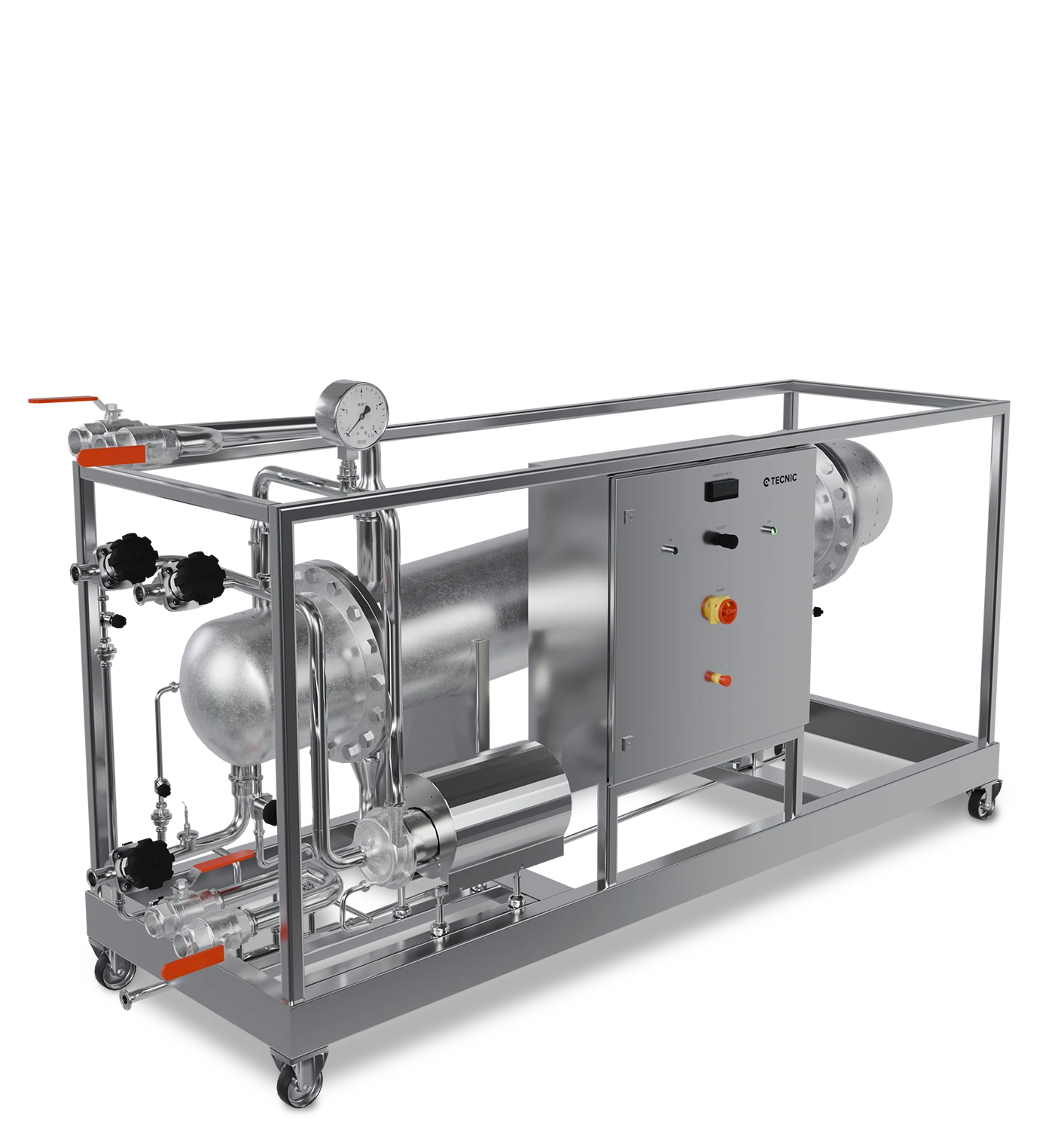
Production multi-use TFF platform for larger-scale downstream execution across membrane format strategies.
eProd TFF platformHow to move from membrane choice to platform selection
Cassette, hollow fiber and ceramic TFF systems
Compare TFF routes through membrane format and filtration configuration.
TFF systems for ultrafiltration, diafiltration and buffer exchange
Compare TFF systems through the downstream task they need to perform.
Lab, pilot and production TFF systems
Review the TFF portfolio through laboratory, pilot and production stages.
Tangential flow filtration
Review TECNIC platforms and connect project needs with available systems.
Frequently asked questions
When does cassette TFF usually make more sense?
Cassette formats are often chosen when teams want a familiar flat-sheet route that fits concentration, diafiltration and broader downstream processing logic.
When might hollow fiber be the better route?
Hollow fiber is often evaluated when its geometry and membrane configuration align better with the process task and the way the step needs to behave.
When should ceramic TFF be considered?
Ceramic membranes should be considered when the real process demands justify that route clearly, not simply because the format seems technically interesting.
What is the biggest mistake when choosing a TFF format?
One common mistake is choosing the membrane format by habit or from one earlier result, instead of checking whether it truly fits the downstream objective and scale-up path.
Need to define the right TFF membrane route for a real project?
If your team is comparing cassette, hollow fiber and ceramic formats, TECNIC can help you review process fit, downstream task and the platform route that best supports scale-up.